access evidence based care from copyright Clinic Norfolk
Caring Chemical Dependency Treatment: Find Your Path to Sobriety
A caring substance abuse recovery delivers a nuanced strategy to recovery. It prioritizes compassion and insight, recognizing the intricate psychological roots of dependency. This method fosters a supportive environment, encouraging individuals to confront their challenges. Integrating holistic practices can enhance resilience and motivation. Nevertheless, questions remain about the effectiveness of community support and evidence-based strategies. Which elements truly contribute to a positive healing path? Exploring these aspects uncovers greater understanding into empathetic treatment.
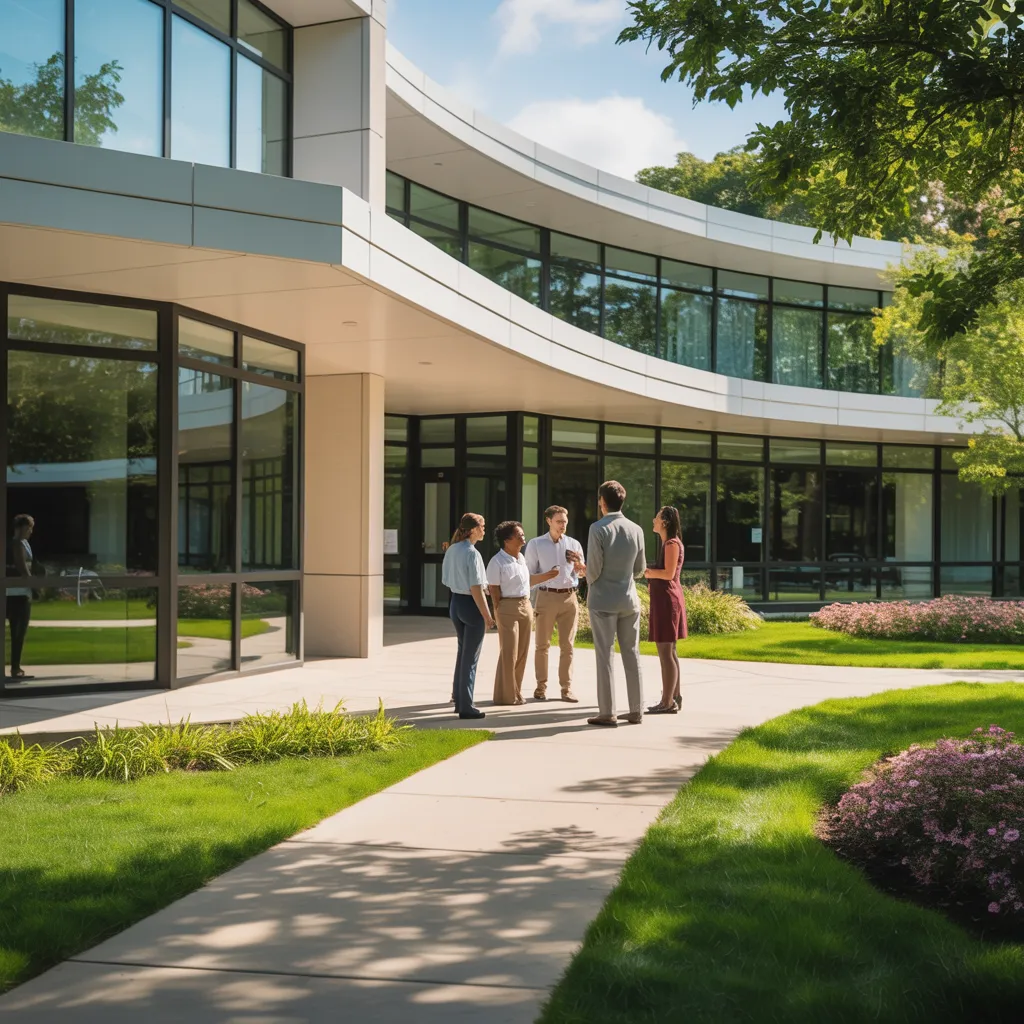
What Is Compassionate Addiction Treatment and How Can It Assist You?
What makes empathetic recovery programs an essential strategy for those striving for wellness? This system focuses on compassion and insight, understanding that addiction is often rooted in intricate mental health challenges. Unlike traditional methods that may focus solely on abstinence, empathetic recovery cultivates a supportive environment where those in recovery feel protected to face their difficulties.
By implementing approaches that prioritize mental health, patients are more likely to participate fully in their path to healing. This approach not more info only addresses the physical symptoms of substance abuse but also facilitates restoration of underlying traumas, decreasing emotions of guilt and loneliness.
Moreover, empathetic substance abuse recovery often incorporates comprehensive wellness techniques, such as meditation and stress reduction, supporting recovery efforts. Ultimately, this person-centered approach empowers individuals to regain control of their lives, build resilience, and create better stress management strategies, making it essential for those pursuing lasting transformation.
Compassion Principles That Facilitate Recovery
How can compassion revolutionize the healing journey for individuals struggling with addiction? Compassion acts as a vital component in fostering a supportive environment for recovery. By understanding the mental and emotional challenges of those dealing with addiction, healthcare professionals can tailor their approaches to address personal requirements. This individualized care cultivates trust, making individuals feel valued and understood.
Empathy guidelines promote open communication, allowing individuals to express their feelings without fear of judgment. Such an environment can greatly reduce feelings of isolation, promoting a sense of belonging. In addition, compassionate interactions can help individuals identify their capabilities and strength, reinforcing their motivation to participate in healing.
The Importance of Local Support in Compassionate Addiction Treatment
How does community support enhance empathetic recovery care? Community support acts as a critical foundation in the recovery journey. It builds a sense of belonging, allowing individuals to relate to others who share similar experiences. This bond can lessen feelings of isolation often connected to addiction, delivering psychological encouragement and backing.
Support collectives, community initiatives, and peer guidance present effective strategies and coping tools, equipping individuals to traverse their recovery path more productively. Moreover, community engagement reinforces accountability, as participants maintain a sense of duty to their personal goals and their companions.
Additionally, group experiences within a compassionate community can contribute to combined assets, enhancing opportunity for therapeutic solutions and holistic practices. Ultimately, peer assistance not only supports affective recovery but also strengthens the understanding that recuperation is possible, building a nurturing environment where individuals can thrive on their journey toward healing.
Overcoming Stigma in Compassionate Addiction Care
Community engagement matters greatly in addressing the bias connected to addiction, which can block individuals from getting help. Labeling often generates isolation and shame, restraining those coping with addiction from turning to others help. By cultivating an context of empathy and openness, communities can help shatter these adverse attitudes.
Learning is crucial in this effort; informing the public about addiction as a complex health issue rather than a moral failing can transform attitudes. Community groups and community-based organizations also act as platforms for sharing personal stories, which humanize the struggle and highlight recovery successes.
Supporting transparent dialogue about drug abuse can create a culture of acceptance, allowing it easier for individuals to seek the compassionate treatment they want. Through collective efforts, communities can lend support to a more supportive landscape, ultimately facilitating recovery and lowering negative perception for those affected by chemical dependency.
Research-Driven Methods to Compassionate Addiction Treatment
While treatment program variations fluctuate, evidence-based approaches are imperative for delivering competent and humane support. These methods rely on scientific research and clinical trials to ascertain the most effective interventions for persons dealing with addiction. Frequent research-validated techniques involve cognitive-behavioral therapy (CBT), motivational conversation, and incentive-based management, each designed to handle the unique challenges of addiction.
Additionally, medication-assisted treatment (MAT) has earned acknowledgment for its ability to enable recuperation while limiting withdrawal discomfort. By blending these strategies, treatment programs can deliver tailored support that acknowledges individual experiences and needs.
Moreover, ongoing assessments and refinements based on patient feedback help maintain engagement and progress. This pledge to utilizing proven techniques not only enhances therapeutic performance but also fosters a supportive environment where individuals feel respected and understood. Consequently, evidence-based strategies play a critical contribution in promoting long-term recovery and optimizing overall health status.
How to Start Your Voyage in Sympathetic Addiction Treatment?
How can a person start their journey toward empathetic addiction treatment? The first step requires acknowledging the necessity for assistance, which can be daunting yet liberating. Seeking help from friends, family, or professionals can provide motivation and direction. People should explore different recovery programs, including therapy, peer support networks, and holistic approaches that stress empathy and understanding.
Next, getting in touch with a healthcare expert or treatment professional is important for assessing the patient's needs and creating a personalized treatment plan. This plan may incorporate evidence-based practices alongside caring care to manage both the cognitive and psychological aspects of addiction.
At last, people should be open to change and retain a obligation to their recovery. Establishing a network of support and practicing care practices can elevate this journey, encouraging resilience and hope. By taking these initial steps, one can launch into a way toward healing and lasting advancement.
Frequent Asked Questions
What Skills Must I Look for in a Compassionate Treatment Provider?
A empathetic treatment provider should have relevant credentials, expertise in substance abuse therapy, a strong empathetic approach, and a commitment to evidence-based practices. Furthermore, they should exhibit cultural awareness and a encouraging, unbiased demeanor to their clients.
How Long Does Compassionate Addiction Treatment Typically Last?
Compassionate addiction treatment typically spans 30 days to several months, depending on individual needs and progress. Factors influencing duration include the severity of addiction, co-occurring disorders, and the treatment approach utilized.
Are There Expenses Associated With Compassionate Addiction Treatment Programs?
Expenses related to compassionate addiction treatment programs can fluctuate widely. Elements influencing costs include the program's duration, location, and services offered available. Numerous facilities also provide financial aid or tiered payment options to meet various economic conditions.
Can I participate in Compassionate Treatment While keeping My Job or Education?
Yes, people can attend compassionate treatment while preserving their career or studies. Many programs feature adaptable timing, allowing participants to manage their obligations while receiving the required assistance for healing and self-improvement.
What Should I Do if I Experience a setback During Treatment?
If a backward step takes place during treatment, it is crucial to acknowledge the setback without shame. Seeking support from specialists, peers, or collective sessions can enable in understanding contributing factors and recommitting oneself to the recovery process.